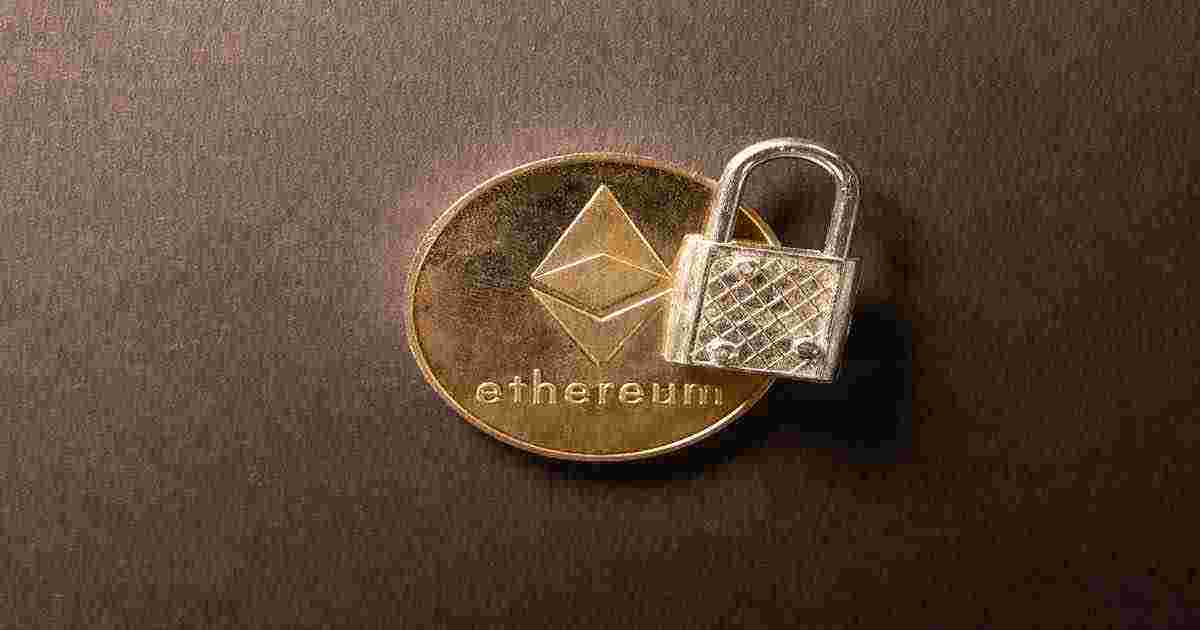
In 2026, self-hosted wallets still represent the core promise of crypto: control over your own assets. But when funds move from self-custody to a centralized exchange (CEX), that transfer is evaluated as a compliance event, not just a payment.
Exchanges and regulated off-ramps increasingly assess wallet history, counterparty exposure, and ownership evidence before crediting deposits or allowing withdrawals. If you prepare in advance, you avoid most friction.
Why This Matters More in 2026
Public blockchains are transparent by design, and modern analytics make historical flows easy to evaluate at scale. A self-hosted wallet can be flagged because of past interactions, even if current holdings look clean.
This is why users search for practical answers to questions like:
- How to avoid frozen crypto withdrawals
- How to pass AML checks before sending to a CEX
- How to prove source of funds and wallet ownership
- How to satisfy Travel Rule expectations in practice
Seven Critical Checks Before Sending to a CEX
- Secure wallet operations first. Keep seed phrases offline, use hardware wallets for meaningful balances, and test recovery procedures.
- Validate transfer details. Verify network, address, and token contract. Start with a small test transfer.
- Document source of funds. Record origin of assets, transaction purpose, amount, date, and counterparties.
- Screen counterparties before transacting. In P2P and OTC flows, incoming history matters as much as amount.
- Assess AML/KYT exposure. Check for sanctions, hacks, mixers, and other high-risk links before moving funds.
- Prepare ownership proof early. Be ready for signature, micro-transfer, or verification flow requests.
- Segment wallets by use case. Keep a dedicated clean wallet for future CEX cash-outs where possible.
Hidden Risks Most Users Discover Too Late
The worst moment to discover a wallet risk profile is after deposit. Typical outcomes include delayed credits, enhanced due diligence requests, temporary account restrictions, and blocked withdrawals.
These issues are often preventable with pre-deposit checks and clear records prepared before liquidity is needed.
Key Terms in Plain Language
AML risk screening: evaluating wallet history for sanctions exposure, illicit flows, hacked funds, mixers, and suspicious counterparties.
Proof of ownership: evidence that you control the sending address (for example, via signature or challenge transfer).
KYW compliance certificate: a structured report combining ownership verification and risk context in a shareable format.
Pre-deposit check: proactive wallet review before sending assets to a regulated venue.
Wallet monitoring: ongoing review of risk posture as new counterparties and transaction types appear.
How CryptoPass Helps Before Problems Start
CryptoPass is most effective as a preventive workflow. Instead of reacting to a blocked transfer, you can:
- run AML risk screening before moving assets,
- complete ownership verification before an exchange requests it,
- generate KYW compliance certificates for evidence,
- and keep a wallet monitoring routine for future usability.
For users active in P2P, OTC, and cross-platform transfers, this shifts compliance from emergency response to planned operations.
Practical Preventive Workflow
- Screen counterparty wallets before any meaningful incoming transfer.
- Record source-of-funds context for each major transaction.
- Run a pre-deposit check before sending to a CEX.
- Use a dedicated clean wallet for cash-out paths where possible.
- Generate and store a KYW certificate with your records.
- Monitor the wallet over time to preserve low-risk status.
Final Thought
Self-custody remains powerful, but in a regulated market it works best with preventive discipline. Treat every transfer from a self-hosted wallet to a CEX as a compliance event.
With a process of screening, ownership proof, and documentation, you reduce delays, protect liquidity, and keep wallet operations dependable when timing matters most.
![Integrating Compliance Into Your Crypto Strategy [Step-by-Step]](/images/blog/integrating-compliance-into-your-crypto-strategy.jpg)